
The Little Opportunities: Embracing the "Beneath Me" Mindset

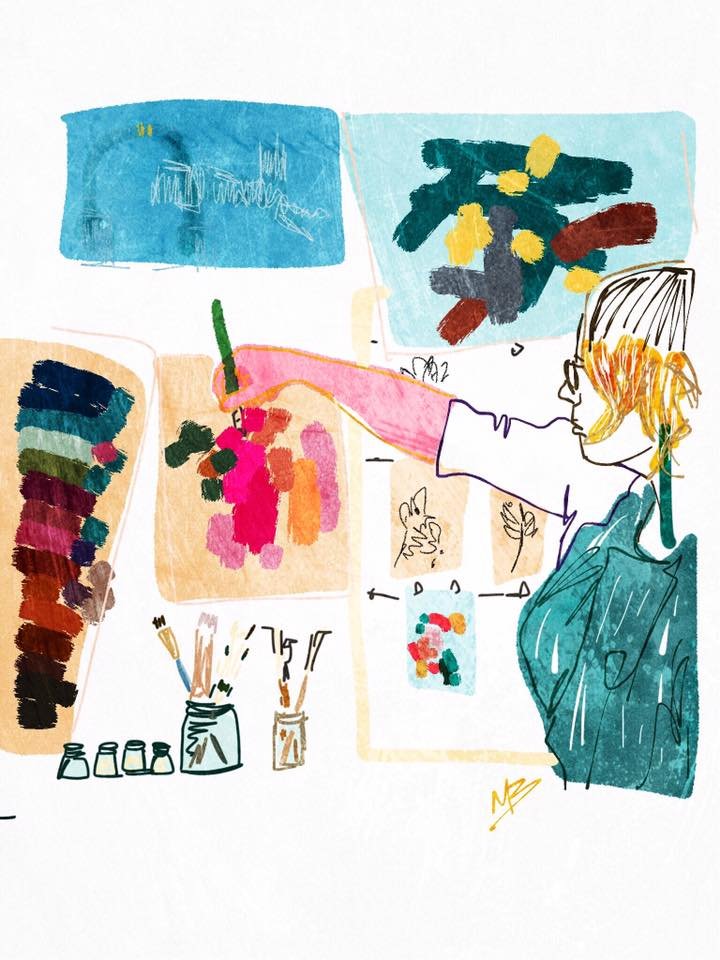
Illustration: https://dribbble.com/kleinhouse
Turning Small Opportunities into Big Wins
We're diving into a topic that's bound to ruffle a few feathers but will ultimately help you level up your game. We're talking about overcoming the "beneath me" mindset. No, it's not the latest pop psychology term. It's an insidious little mental block that might be sabotaging your chances at growth and success without you even realizing it. Buckle up, buttercup; we're in for a ride.
Say "Yes" to Growth
You might be thinking, "But when do I get to say no to these tiny gigs?" Good question. First, say "yes" more often than you'd like and treat these small opportunities like they're the Met Gala of your career. Build your skills, gain some notoriety, and integrate into your new community. What makes small gigs so valuable? They’re your sandbox, where you get to make mistakes and fine-tune your skills without the glaring eyes of a million Instagram followers watching you fumble.
Consistency Over Glitz
Another critical point: Don’t be a one-hit-wonder. We’re in the era of clout-chasing, where people mistake Instagram likes and TikTok views for actual success. Show your work consistently. It's not glamorous, but it pays dividends. Be the tortoise, not the hare, my friend. Consistency kills, especially when it comes to building credibility and honing your craft.
Projects, Not Pipe Dreams
Stop dreaming and start doing. Seriously, get tangible. Begin that painting series, start that YouTube channel, launch that monthly local exhibit. Whatever it is, put yourself out there. Your first few attempts might resemble a Picasso nightmare, but guess what? Every masterpiece starts as a mess. Opportunities are more likely to show up if they see you putting in the work, not just talking about it at every cocktail party.
Paying Dues: It's a Good Thing
Remember when you were a beginner and everything felt achievable because you were learning and stumbling through the process? Guess what? It’s time to get that beginner mindset back. "Paying dues" isn’t a punishment; it’s an investment. Small projects and gigs are dues. You gain skills, knowledge, and network—all invaluable assets for the price of a little humility.
Relationships Over Resume
And speaking of networking, build relationships, not resumes. Stop worrying about how impressive your bio sounds and start contributing to your community. Attend those indie gallery openings, offer your skills, share your resources. Be genuinely helpful. Your opportunities to shine will expand exponentially when people see you’re in it for the long haul, not just a quick ego boost.
The Art of Authenticity
Alright, now for some snarky wisdom: Stop pretending. Seriously. There’s nothing more cringe-worthy than someone who’s all sizzle and no steak. Own your beginner status or your transitional phase. Be you, flaws and all. Authenticity is like a magnet; the right opportunities and people will find you because they’re attracted to the real deal, not a mirage.
Final Conference Call with Yourself
Here’s the kicker: Reflect on your attitudes towards smaller gigs and lesser-known opportunities. Are you turning your nose up at potential goldmines because they seem "beneath you"? Drop that elitist façade. You’re possibly missing out on some serious growth opportunities. Those "beneath me" gigs? They can teach you, shape you, and launch you if you let them.
Start Small, Think Big
Inspired yet? Good. Go out there and seize those little opportunities with gusto. Say "yes" more, show your work, treat small gigs like headliners, and stay authentic. Above all, keep growing and learning. Trust the process, respect your journey, and remember: every "beneath me" gig is a stepping stone to your big break.
So, what's it gonna be? Keep waiting for that perfectly aligned mega-opportunity to fall into your lap, or start turning those smaller ones into the backbone of your success? I'd go for the latter, and I'll see you on the other side of success, savvy? Now go create something!
Why Creativity Is a Form of Self-Care (And Why We Often Put It Last)

I’ve been reflecting on how many of us struggle with our relationship with creativity. We want to create. We’ve enjoyed it in the past and often say we value it as part of our lives. Yet, we struggle to prioritize it.
There are many reasons why this could be, but one stands out to me: Creativity as a form of self-care.
When we engage in creative acts, we give ourselves an outlet to express thoughts and feelings that we may not be able to articulate otherwise. Whether it’s through painting, writing, or any other creative outlet, we like the way it makes us feel—even when the result isn’t perfect. Yet, when creativity is approached as self-care, it often falls into the same trap as other self-care activities: we place it in the “should” category and shame ourselves when we don’t follow through. Our good intentions remain just that, and we never carve out the time.
The Overwhelmed Caretaker
Take, for example, the woman who juggles a career, household responsibilities, and possibly even caregiving. She knows creativity brings her joy—whether it’s journaling or crafting—but it’s always the first thing to go when time gets tight. She might say, “I’ll get to it when everything else is done,” but everything else is never done. Creativity becomes just another to-do on an already overwhelming list, and when it’s framed this way, it feels like more work rather than the act of self-care it truly is.
This isn’t just anecdotal. Research shows that women, in particular, often feel guilt when taking time for themselves, which can lead to burnout and a lack of personal fulfillment. According to the American Psychological Association, 70% of women report feeling overwhelmed by their responsibilities, leaving little time for self-care activities like creative hobbies.
The Hustle Trap
Now let’s think about the entrepreneur or career-driven individual. This person may set aside time for creativity, but only if it serves a business goal. Their art becomes part of their "brand" or business growth strategy. Over time, the joy they once experienced from creativity may diminish as it becomes solely about achieving external results.
This happens a lot in hustle culture. A study from Harvard Business Review explains how turning a passion into work can strip the joy from those activities, leading to burnout and creative exhaustionSources: (Harvard Business School)(Harvard Business School).
While it might seem productive to transform your creativity into a side hustle or a content machine, this often removes the pure joy and curiosity that creative play can bring. When we only create for external validation or monetization, creativity shifts from self-care to yet another obligation, another item on the to-do list.
Managing Your Passion for Longevity
The truth is, creativity in its purest form should be an act of self-care. It’s not about the end result but the process of engaging with your own thoughts, emotions, and imagination. However, if we never prioritize this for ourselves—whether it’s because we’re busy caring for others or because we’re trying to produce results—we miss out on the deep restorative power creativity offers.
Writer Elizabeth Gilbert talks about this in Big Magic, suggesting that creative living isn’t about productivity, but about “choosing curiosity over fear.” It’s about giving yourself permission to create for the sake of creating, rather than for an audience or an outcome. This perspective allows creativity to become a tool for self-exploration and joy, not just something that delivers results.
Putting Creativity Back into Self-Care
If you’re wired for practicality and responsibility, it’s tempting to put everything—and everyone—else first. But if you don’t make time for creativity, you might end up feeling disconnected and burned out. It’s time to reframe how we see creative acts: not as a luxury, but as a necessity for mental and emotional well-being.
What would happen if you gave yourself permission to create without the pressure of a perfect outcome? If you took even 10 minutes a day to write, doodle, or play an instrument—just for you, not for Instagram or a portfolio? Imagine how much lighter, more refreshed, and more connected to yourself you might feel.
Reclaiming creativity as a form of self-care means shifting your perspective on what it’s for. It’s not a task to be completed, and it’s not always about the result. Creativity, at its best, is a way to care for your inner world, to let your imagination play, and to express parts of yourself that might otherwise go unnoticed. It’s time to stop putting your creativity last and start making it part of your self-care practice.
What have your experiences been in regards to creativity as a form of self-care?
Balancing Artistry and Big Budgets: A Creative Juggernaut's Journey

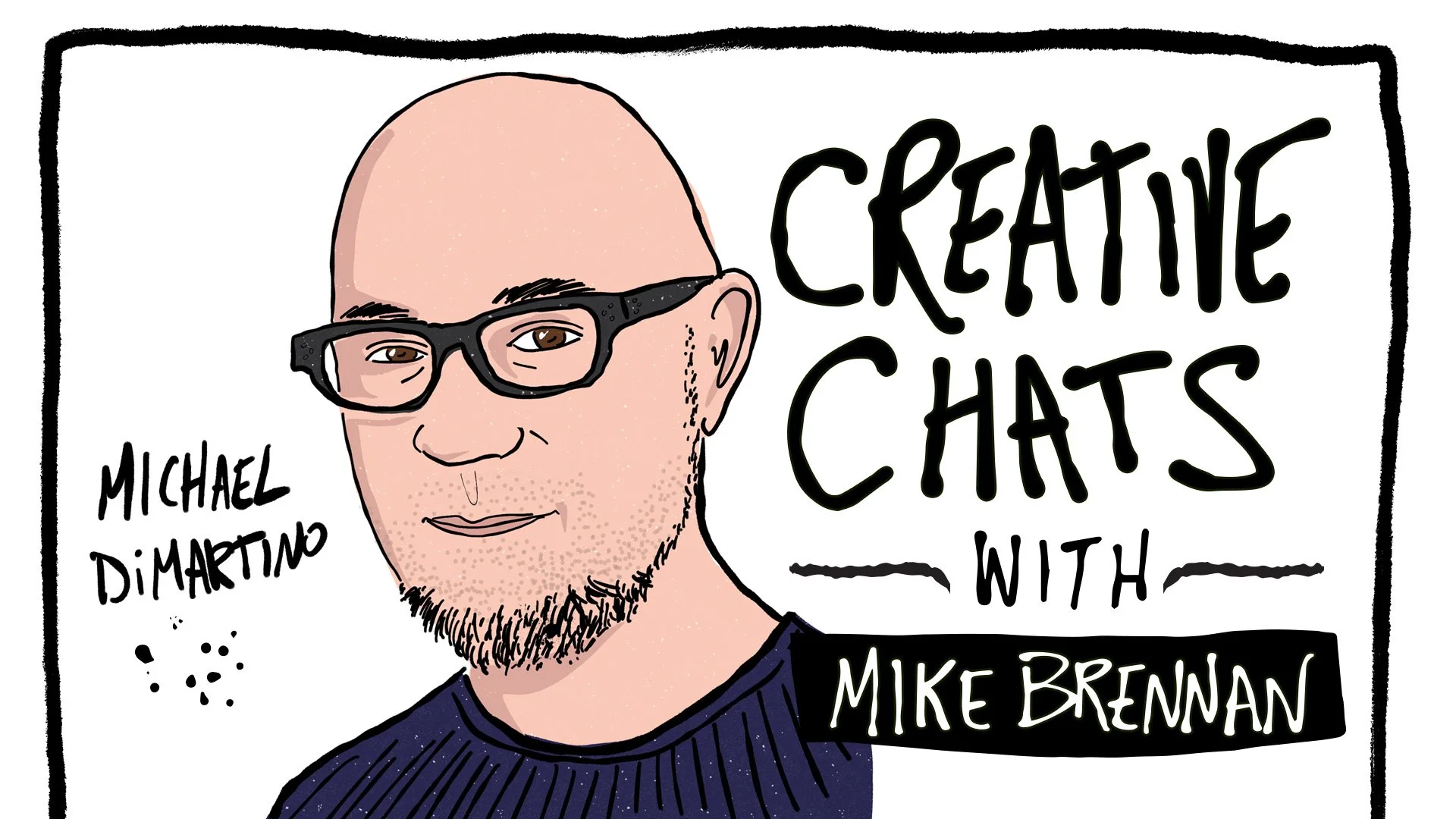
Ever wondered what it takes to juggle creativity with big studio demands? Michael DiMartino, co-creator of the iconic "Avatar: The Last Airbender," shares his experience and insights on episode 260 of Creative Chats. Grab a coffee (or tea, no judgments here) and let’s dive into the nitty-gritty of balancing high-level management roles while staying true to your creative spirit.
The High-Stakes Playground: Big Studios and Creativity
Picture it: You're in a giant studio with a budget that makes your eyes water. You're not just any artist; you're that artist. Sounds dreamy, right?
Michael DiMartino has walked this path, and according to him, high budgets attract higher scrutiny. Those extra dollars come with a hoard of stakeholders with opinions, deadlines, and suggestions. "Avatar: The Last Airbender" was an outlier at Nickelodeon, capturing hearts with its sequential storytelling and anime finesse. This creative freedom, DiMartino admits, required a fine balance between bending (pun intended) to corporate needs and keeping the spirit of the project intact.
Actionable Snippet: Aim for that balance. Keep your core ideas sacrosanct but be open to compromise. Remember, even Michelangelo had to negotiate with the Pope.
From TV Animation to Words on Paper: DiMartino's New Chapter
DiMartino is a multi-passionate creative. Post "Legend of Korra," he plunged into middle-grade fantasy novels. TV writing comes with rigid structure, whereas novel writing is more like free-form jazz.
In 2019, DiMartino faced a creative rut (happens to the best of us) and dabbled in the National Novel Writing Month, penning "Both Here and Gone." Unlike TV, this process was more freewheeling—a mixed bag of unexpected characters and plot twists. It's like he swapped his chef's recipe book for a food fight in a culinary academy.
Actionable Snippet: Stuck in a rut? Shift your creative gears. Try a different medium. Paint if you write, write if you paint. Heck, try sculpting mashed potatoes if it gets your juices flowing.
Curious Minds Create Peculiar Brilliance
Creativity thrives on curiosity, and DiMartino’s career is testament to that. Whether it was exploring non-Western cultures for "Avatar" or blending loss and resilience in his novels, his work is a curious cocktail of genres and themes.
Actionable Snippet: Stay curious, friends. Dive into topics that intrigue you. Listen to that documentary on jellyfish mating habits—it might spark your next big idea. Don’t think you know it all; that’s the creativity killer right there.
The Tech Tango: Old School Meets New School
Ah, the never-ending debate—traditional vs. digital. Honestly, it’s like arguing tea versus coffee when the true answer is a mocha frappuccino. DiMartino balances traditional 2D animation with the sleek precision of digital tools. He believes technology should serve the narrative, not overshadow it.
"I use AI tools like ProWritingAid and Grammarly," he notes, "but I’m the one who makes the final decisions." It’s refreshing to see a blend of hands-on artistry without shunning tech advancements.
Actionable Snippet: Embrace technology but don’t let it consume you. Use it to enhance your storytelling, not hijack it.
Connecting Creativity and Grief: "Both Here and Gone"
DiMartino’s novel, "Both Here and Gone," is a poignant exploration of grief and resilience. Inspired by his own loss and the shared pandemic grief, the book didn’t start as a commercial project. He found himself navigating the complex web of traditional publishing and self-publishing to bring his story to life.
Actionable Snippet: Not every project needs to be a commercial hit. Work on passion projects too. Self-publishing is a viable option if traditional routes balk at your "off-beat" masterpiece.
Creativity is a wild beast. You tame it by letting it roam free occasionally. Michael DiMartino’s journey from TV animation to novel writing is proof that balancing vibes with corporate needs, practicing curiosity, embracing tech, and working on passionate side projects keep the creative muse well-fed and roaring.
You’ve got to adapt, evolve, and sometimes downright say, “Screw it, I’m painting mashed potatoes today.” Because who knows? That might be the start of your next creative revolution.
Check out episode 260 of Creative Chats.

Fly Fishing, Leonardo, and the Creative Jouney with David Ladensohn
Have you ever felt as stuck as a fly caught in molasses when it comes to creative endeavors? You know you’ve got talent; you have ideas, but self-doubt decides to park its big, ugly bus right smack in the middle of your mind, blocking all the roads to creativity. We've all been there. Well, let me tell you about my chat with David Ladensohn, who knows a thing or two about pushing through challenges.
Creativity Blockers: Fear, Self-Doubt, and the Art of Getting Over Yourself
Fear and Self-Doubt: Nothing kills a creative buzz faster than focusing too much on ourselves. David and I both agreed that these mental roadblocks are selfish. Yeah, I said it! When you're mired in self-doubt, you're not just stopping your potential; you're also denying the world your unique creativity. Why? Because the focus is on you, instead of the people you should be serving with your creativity.
Shift the Focus: Here's the thing—shift your brain from obsessing over "Why would anyone care about my work?" to "How can my work benefit others?" This simple mental switch is a powerhouse. Imagine your art, writing, or whatever you do reaching someone out there who really needs it. Talk about unshelving your talent for the greater good!
David Ladensohn: Turning Hardships into Contributions
David decided enough was enough and set out to write "Fly Fishing with Leonardo da Vinci." Sure, the title alone inspires curiosity, but his drive goes deeper. David emphasizes the idea of writing a book that others want to read as a service to humanity.
Completion and Promotion: Writing the book was half the battle; promoting it was another beast. But here’s the kicker—completing a project like this can kick-start your confidence like nothing else. The joy of seeing an idea morph into something tangible can be as exhilarating as catching and releasing a wriggling fish on a fly line.
Practical Steps: Writing and Filling Your Creative Well
On Editing Ruthlessly: David managed to shrink his first draft from 61 chapters to 24. The lesson? Be brutal with your cuts. Every sentence that doesn't serve your story like a loyal footman has got to go. Yes, even the ones you’re sentimentally attached to. It’s like leaving out the fancy, useless lures from your fly-fishing kit.
Brevity: These days, thanks to the TikTok-ification of our attention spans, keeping things concise is gold. Short chapters, larger print, and pictures? Yes, please. David got this right, making his book accessible and engaging even for those who think "War and Peace" should’ve quit while it was ahead.
Leonardo's Renaissance: The Backstory
David's idea sprouted from reading a Leonardo da Vinci biography that, by fate or sheer randomness, connected with his fly-fishing hobby. He likened Leonardo’s meticulous study of river currents to his way of reading water while fishing. This parallel was the gold nugget that spun his creative wheels into overdrive.
Keep Your Zeal and Here's How:
Passion Trumps All: Your fervor for your subject can quash self-doubt like a gavel hitting the bench. If you love what you’re diving into, your energy will carry you past all those “I’m not good enough” moments. David’s zeal brought him through five years of research and writing. Your passion can do the same for you.
Get Feedback: Yes, please! Bring in external eyes to catch all those biases and blind spots. This is where I believe in funneling feedback to refine and perfect your baby, I mean, your project.
Helpful Resources and Persistence
David suggests leveraging writing clinics and developmental editors. His color-coded system to weave four story strands into one narrative was genius. Remember, persistence is key. Just like perfecting a fly cast, it takes repetitive, sometimes frustrating, practice.
Wrapping it Up: It’s Time to Cast Your Line
As David reminds us that creativity is not just about skill or natural talent. It’s about wanting to share a piece of your world, about zeal and enduring through problem-solving.
So, what about you? What are you sitting on? Write that awful first draft. Shave it down to a masterpiece. Listen to external feedback. Just start. Cast that line. You never know the greatness lurking beneath the ripples of your creative thoughts.
So, go on, and make that first awkward attempt. You’ve got this!
Grab a copy of Fly-Fishing with Leonardo da Vinci
The Comparison Trap: Why Copy-Pasting Someone Else’s Journey Could Ruin Yours

Ever accidentally melodramatically sighed as you scrolled through social media, comparing your creative entrepreneurial journey to someone else's sparkly highlight reel? Gosh, it’s like they're sunshine, rainbows, and unicorns, while you've got rain clouds and a half-baked day old, moldy muffin. Spoiler alert: that shiny exterior might just be a well-curated mirage. So, let’s dive into why playing the comparison game can be hazardous and how you can sidestep those pitfalls with some actionable steps.
The Sparkling Mirage of Success
You eye that super-successful creative entrepreneur online with envy. You know, the one who’s apparently got their life together with a bow on top. Hate to break it to you, but you’re likely missing out on the real deal behind their polished curtain. Context is everything. Imagine trying to copy their every move without knowing the hidden variables. Spoiler: that's a recipe for disaster. What works for them might not work for you. And here’s how you can avoid falling into that trap:
Secret #1: Get Cozy with Reality Checks
You are you. They are they. So, let’s start there.
Dig as Deep as Facebook Stalking Allows: Research your inspiration’s backstory like a detective on a mission. Know their starting point, journey, and how much of their tale is actually relevant to your situation. You might find out they’re living off trust funds or have a behind-the-scenes team making things look effortlessly cool.
Be Honest with Yourself: Do you have the same resources, time, and networks? Didn’t think so. Acknowledge what you’ve got and what you don’t.
Secret #2: Don’t Be a Carbon Copy—Be a Master Chef
Channel your inner culinary artist and gather those ingredients of inspiration, then whip up your unique creative concoction.
Jot Down What Works for You: List elements of their journey that actually make sense for your life. Then, tweak these to fit your unique context. Voila, you’ve got a personalized recipe for success.
Caveats Are Key: Remember, your life pie might miss an egg or two they had. That’s okay! Adjust the recipe’s baking time. Burnt crusts aren’t flattering.
Secret #3: The Art of Contextualization
Understanding the process and making it yours—contextualize like a pro.
Ask, Adapt, Apply: Take what you admire from others, but ask yourself how it fits into your puzzle. Slight modifications are your secret sauce.
Stay Forward-Thinking: Keep your vision and strategy in mind. Use what fits, discard what doesn’t. Create your own damn masterpiece.
Secret #4: Narrow Down Your Support System
Friends, mentors, and communities—oh my! Choose wisely and surround yourself with the crème de la crème.
Find Your Tribe: Join creative communities where honesty isn’t taboo. Share your struggles and triumphs. Lift each other up. (Looking for one? Join the Daily Creative Habit membership!)
Credibility Matters: Follow mentors who’ve been transparent about their own bumps and bruises. No fake it ‘til you make it vibes allowed.
Secret #5: Focus on Your Unique Journey
Celebrate Small Wins: Track your progress. Pat yourself on the back. Each step forward is fabulous.
Comparison Detox: Limit social media scrolling when feeling fragile. Embrace your path and keep blossoming at your own lovely pace.
There You Have It
Your journey is uniquely yours—own it! Copycats end up frustrated and burnt out. Instead, embrace these snark-packed, actionable tips to forge your creative path.
Now, go forth and create your beautiful mess. Skip the comparisons and make your own damn blueprint.
Closing the Creativity Gap: Strategic Sparks in Your Daily Life - Part 2
Transform Your Work and Life with These Powerful Insights
Let’s cut to the chase. If you think creativity is just for artists or those ‘innately’ talented folks, well, think again. Creativity is a muscle everyone can flex, and it starts with some not-so-obvious places: play, curiosity, and celebration. Intrigued? You should be. Here’s how to unlock your creative potential, step by step.
1. The Power of Play: Not Just for Kids
Hold your horses. I can already hear the collective groan. “Play? Seriously? I have deadlines, Mike!” But stay with me.
Why Play Matters
Play is like a magic potion that frees you from the constraints of everyday grind. It’s about becoming curious, asking those weird ‘what if’ questions, and removing the pressure to produce something perfect. Kids do this naturally. They aren’t thinking about ROI or deadlines. They’re exploring because it’s fun.
How to Play Like a Pro
To channel your inner child, start simple:
Break Something – No, I’m not telling you to smash your laptop. But get into a mindset of experimentation. Try new things without the fear of screwing up. Use metaphorical “toilet paper” to wrap around your hyper-serious tasks.
Ask ‘What If?’ – Imagine wildly unrealistic scenarios. What if your annual budget was delivered by a flying Santa with a cape? How would that impact your processes? Sure, it's silly, but it loosens you up for real, impactful brainstorming later.
Designate Playtime – Set aside a small chunk of your workday to do something just for fun. Could be doodling, tossing ideas around with a team, or, yes, even having a brief “toilet paper fight.”
2. Becoming a Curiosity Jedi
Let’s talk about curiosity. Those shower ideas? Golden nuggets of brilliance. Why? Because you're relaxed, your mind is open, and boom—ideas flow.
Stay Curious, My Friends
Implement these steps to hone your curiosity:
Walk It Off – Take a walk when stuck. The change in environment and physical movement trigger new thoughts.
Mix and Match – Do the ‘Monster Mashup’ exercise. Create three columns of random ideas, and mix them. Column A, meet Column B. What can you create together? Column C is where your breakthrough idea will inevitably reside.
Ask, Don’t Assume – Ask questions without immediately seeking the right answers. Let yourself delve into ‘what if’ scenarios and let your brain marinate.
3. Celebrating Small and Big Wins
Ah, the sweet taste of victory. But, do you celebrate it? Probably not often, or well enough.
Why Celebration is Key
Celebrating your small wins builds momentum and resupplies your creative juices. It’s not just about the big launches or promotions; it's about those tiny steps that get you there.
Steps to Celebrate Like a Boss
Track Your Progress – Create a visual representation of your work. Think mosaics of your yearly accomplishments or even a list of tasks completed.
Reward Yourself – Did you finish a massive report? Get yourself those funky sneakers you’ve had your eye on. Rewards create positive reinforcement.
Share Your Wins – Post about it on social media, tell a friend, or mention it in team meetings. Acknowledgement from others boosts your confidence.
So, what’s your takeaway from all this? Inject some play, curiosity, and celebration into your everyday routine. It’s not just about making your work tolerable; it's about making it exhilarating.
Play. Get curious. Celebrate. Make it a habit, and watch how these strategic sparks can transform your work and life. Remember, when you create, we all win.
And if you’ve made it this far, congratulations! Now go start brainstorming your way to genius!
Closing the Creativity Gap: Strategic Sparks in Your Daily Life - Part 1
Learn how to bridge the distance between where you are and your creative aspirations
You walk into a room full of self-proclaimed non-creatives, and then you start unpacking what’s in your creative toolbox. And why not? Because it’s about time everyone realized that creativity goes way beyond drawing stick figures, right? Whether you're in marketing, blogging, or just navigating the daily hoops of life, expressing your creative mojo can move mountains and make even the mundane seem super-charged.
The Art and Science of Being Creative
First off, let's shatter the myth that creativity is limited to artsy things like painting or playing the ukulele. No, creativity can pop up in how you organize, draft an email, or even choose toppings for your pizza. Creative blocks are real beasts—we all face them. They can come disguised as life, burnout, ADHD, judgment, oversaturation, lack of inspiration, or just plain old lack of time.
In my presentation at Digital Summit, one brave soul mentioned how burnout could be a major creativity killer. I’ve been there. Hi, my name is Mike, and I once had my creativity shelved for ten whopping years due to burnout and, eventually, depression. Spoiler alert: I found my way back. And so can you.
My Story: From Burnout to Daily Art Love Affair
So, let’s role-play. Imagine being that kid who just loved to create—cartoon greeting cards, mini-masterpieces, gifts for family. Fast-forward through art school, a career in advertising, and bam! Burnout hits you harder than a double espresso. That’s where my story took a detour, one that saw me leaving the industry I loved and falling into another career that was a mismatch for my skills and passion. Hello, depression.
But every depressing dark tunnel has a spark of light somewhere. For me, it was rediscovering my creativity through a 365-day art challenge. It began with sketching a Starbucks cup, and let me tell you—if that drawing were a coffee, it’d be decaf. However, it was my gateway drug to light up my creative neurons again.
Start Small, Think Big
If you're aiming to revive your creative spirit, don’t go all-in with a Sistine Chapel-level project. Start small. I managed just 15-20 minutes a day initially, which is surprisingly rewarding. Here’s why: Small is manageable. Small builds a habit. Small consistently, over time, gets you places.
Action Step: Identify a tiny task connected to your creative goal. Write it down. Is it sketching? Drafting a sentence? Poring over a new recipe? Do it, even if it’s just for five minutes. Baby steps, folks. Baby steps lead to giant creative leaps.
Schedule It Like an Important Date
Yeah, I hear you laughing. Schedule creativity? What is this, a dentist appointment? But trust me, putting it in your calendar is like setting a non-negotiable date with your creative self.
Action Step: Block time for your creative pursuits. Be fierce about protecting it. Call it “Soul Food Session” if you need a swanky title. Whatever you choose, make sure it’s immovable, like your preferred Netflix binge-watching slot.
Overcoming the Gap: From Where You Are to Where You Want to Be
We've all felt that gap—the frustrating void between our current self and that ideal version where creativity flows like a chocolate fountain. Getting comfortable with this gap and finding ways to traverse it is half the battle won.
Action Step: Write down one specific, tangible creative goal. Make sure it excites and terrifies you in equal measure. Now, jot down the next smallest step toward it. Not the big leap, just the very next baby stride.
Why This Matters: Beyond Personal Growth
Here’s the kicker: Creativity is not just personal therapy. It's a game-changer professionally and socially. When you unlock your creative potential, you’re generating value—not just for yourself, but for everyone around you. Plus, you’re way more interesting at parties.
Remember that stat from Adobe: 75% of people think they aren’t living up to their creative potential. That’s a jaw-dropping figure, and I bet some part of it resonates.
The Grand Finale: Keep Showing Up
So, what’s next? Just keep showing up. Day by day, step by step. Your creativity isn’t a switch to flip on. It’s a smoldering ember that needs consistent fanning. Show up in those scheduled slots, even if only to draw the worst Starbucks cup of your life. Before you know it, you're not just living; you’re alive.
So my dear creative aspirant, what’s your Starbucks cup gonna be?

The Art of Finishing: Why Completing Projects Is Your Creative Superpower
Because Half-Done Doesn't Cut It Anymore
Alright, fellow creatives, let's get real for a moment. Have you ever found yourself knee-deep in a creative project, only to abandon it when something shinier struts by? (Squirrel!)
Raise your hand if you have more unfinished drafts than completed ones. Yep, I see you. It's a common plight, but one that we need to tackle head-on. Why? Because completing your projects isn't just beneficial—it's downright essential.
Why We Can't Focus Anymore
First, let’s address the giant, pixelated elephant in the room—our dwindling attention spans. Remember the days when boredom was an option? Yeah, me neither. It’s like our ability to focus is competing in the Fastest-Shrinking Ability contest. Blame social media, blame Netflix, blame whatever, but the fact remains: our capacity to focus and finish has taken a nosedive.
The Shiny Object Syndrome
Oh, so shiny….! New ideas are like new toys—irresistible. But why do we abandon our current projects to chase the next big thing? Perhaps it’s the fear that what we’re working on isn’t good enough. Or maybe it's the terror of wasting our precious time on something that might flop. But let me drop some wisdom: Finishing what you start is a skill. It’s like a muscle you need to train, and trust me, the gains are worth it.
The Power of Completion
Completing something provides an unparalleled sense of achievement. You set out to do something, and guess what? You actually did it! That’s more than just a feather in your cap; it’s a confidence booster. You get to prove to yourself—and the world—that you can commit and follow through, a skill that’s increasingly rare but incredibly valuable.
Developing and Refining Skills
Every project you complete hones your skills. Think of each finished piece as a level-up in your creative game. Whether you’ve nailed a new technique or refined an old one, the act of finishing builds your arsenal for future projects. You're not just working on one piece; you're investing in your future self, your future projects, and ultimately, your creative legacy.
Perfectionism and Fear of Failure
Let's talk about the twin dragons that often keep us from finishing anything—perfectionism and fear of failure. The idea that if something isn’t perfect, it isn’t worth doing or completing is a pervasive thought. But here’s the kicker: Perfectionism is just another form of procrastination in disguise. And failure? It’s just feedback. Edison didn’t invent the light bulb on his first try; he embraced his 99 failures as learning opportunities leading to that one glowing success.
Maintaining Motivation and Focus
Long-term projects can often feel like an endless slog up a mountain. The secret? Break it down. Divide your monstrous project into smaller, manageable tasks. Create mini-milestones and give yourself little rewards as you hit them. Remember why you started this project in the first place and keep your eyes on the prize.
Create Clear Goals and Deadlines
Don't just jump into your car and drive aimlessly. Set clear goals and deadlines. When you know exactly what you need to do and when you need to do it, the journey becomes a lot less daunting. Think of it as GPS for your creative endeavors. Having these guidelines can prevent that overwhelming feeling that often leads to starting but not finishing.
Stay Flexible but Structured
Yes, plans are important but so is flexibility. Life has a way of throwing curveballs, so be ready to adapt without losing sight of your end goals. Trust me, there’s a fine balance between being committed and being rigid. Think jazz improvisation, where structure meets spontaneity.
Celebrate Milestones
Why wait until the end to celebrate? Small victories along the way are crucial. This isn't just a feel-good tactic; it's scientifically proven that celebrating small wins boosts your motivation. So go ahead, do a little victory dance when you hit a mini-milestone.
Embrace Imperfection
Finally, embrace that your project will never be perfect. Shocked? Good. Perfection is a myth, a mirage. Completing a project, flaws and all, is a testament to your perseverance and your commitment to your craft. Your imperfections are what make your projects uniquely yours.
So, what's it going to be? Another half-baked idea or a completed masterpiece? Choose to finish. Practice the art of completion and watch how your creative process transforms. Review, reflect, and repeat.
Now, go out there and finish something! Show the world—and yourself—what you can do.
Go create. Go finish. Your creative journey depends on it.
Want to be a part of a community that can help hold you accountable to finish some projects? Join us in the Daily Creative Habit Membership!

Unleashing Creativity Beyond the Arts with Chris Bent
Let me tell you about Chris Bent—a marvelous fellow who decided that creativity shouldn’t be caged within traditional arts like painting, singing, or dancing. No siree Bob! Chris realized that creativity is broader than an Amazon rainforest, encompassing far more than what you'd find in the back of an elementary-school arts cupboard. His brainchild? The Piccles collaborative coloring book—a delightful, whimsical concept designed to de-stress even the most corporate of suits.
Creativity in a Box? Try Again!
First off, let's set the record straight: creativity isn’t just about whipping out a paintbrush or belting your lungs out in a talent show. Heck no! Chris was caught in that very misconception until he stumbled into the enlightening reality that creativity permeates everything we do. From how you brew your morning coffee to figuring out how to sneak your dog into the office. Creativity is omnipresent!
For those who think creativity is only for the artsy-fartsy—get over yourself! Piccles is here to democratize creativity, making it as accessible as Wi-Fi in a Starbucks. No artistic skills? No problem. The collaborative coloring book is designed for anyone to tap into their creative beat. Think of it as jazz—improvisational, fun, and freeing. Trust me, you don’t need to be Michelangelo to dive in.
From Boardrooms to Epidemics: The Evolution of Piccles
Originally, Piccles was a savior for corporate stiffs yearning for a creative outlet amid their PowerPoints and board meetings. But then drumroll the pandemic hit. Suddenly, Piccles wasn’t just a corporate darling but found itself in children’s hospitals, community centers, and virtual events. The creative beast had been unleashed, proving its adaptability and necessity in various settings.
Marketers struggled to pin down Piccles because it fit snugly into so many different scenarios—a bit like trying to hold water in a colander. Everyone found a use for it: teachers, event professionals, consultants, you name it.
If at First You Don't Succeed… Draw a Tree?
Chris emphasized that the fear of starting can cripple any stab at creativity faster than you can say, “Where’s my courage?” One of his brilliant endeavors involved a "draw a tree, plant a tree" campaign around Earth Day. It was dead simple: draw a tree, send it in, and voilà! A real tree gets planted. Other companies saw the light and started their own versions. Win-win for creativity and Mother Earth!
Actionable step here? Never shy away from starting because of the fear of bombarding your ideas. Grab that pencil and draw your darn tree already!
Drawbacks of Going Digital
Piccles was initially an iOS app, but let’s face it, locking your creativity behind an Apple ID isn’t the most inclusive move. Thus, Chris made the savvy move to shift Piccles to a web application. No app downloads. No credit card trials. Zero friction. One giant leap for inclusivity! Now, anyone can start whimsically doodling away—no app store hurdles to jump.
Want to test it yourself? Go to piccles.com, no strings attached. Stick it to the tech barriers and dive right into your creative zone!
AI: The Judge, Jury, and Art Critic
Ah, AI—our futuristic pal. While helping categorize and understand drawings, it’s also on troll patrol. Remember that slightly embarrassing incident during a virtual workshop? Someone drew an inappropriate image. Yikes! But thanks to AI and moderation panels, crises were handled, and decorum restored. The point? Technology isn't just a tool; it’s a guardian for your creative spaces.
Actionable tip: Use AI moderation creatively in your next brainstorming session to keep it clean and constructive.
Everyday Creativity: It's a Muscle, Baby!
Chris's major takeaway? Creativity isn’t a one-time event; it's like muscle building. You have to exercise it daily. From creating art with business cards to backpack whiteboards for interactive "walkshops," Chris is all about flexing that creative muscle consistently. His journey in entrepreneurship—with family support, mentors, and real-world challenges—underscores the intangible connection between business ingenuity and creativity.
So, what’s stopping you? Start small. Break the mental chains around what you think creativity should be. Build it up day by day. And yes, you're bound to mess up along the way. Who cares? That’s all part of the magic.
Conclusion: It’s Your Turn
So, here’s my challenge to you: Take a leaf out of Chris Bent’s sketchpad. Dive headfirst into your own creative journey. Start by signing up on piccles.com, grab some colored pencils, and get doodling. Remember, creativity is a daily practice. Whether you’re sketching trees, creating art from business cards, or making symbols for Earth Day, embrace the snark, the wit, and the endless possibilities. Let’s get creative, folks! Life’s too short for dull moments.
Check out episode 233 of Creative Chats with guest Chris Bent for more!

From Humble Beginnings to Bold Creativity: Lindsey Leaverton’s Journey
What it Means to Embrace Vulnerability and Hard Work
Allow me to introduce you to Lindsey Kane Leaverton, a single mom, wealth manager, singer-songwriter, and author of the delightfully unconventional "Not Another Self Help Book". Sounds intense, right? Well, buckle up, because Lindsey’s story is a masterclass in crafting beauty from chaos.
Embracing Humble Beginnings and Vulnerabilities
Like many of us creative types, Lindsey didn’t start life in a cozy cocoon of success. No silk pajamas here, folks. This episode dives into the power of embracing those rocky, humble beginnings. Lindsey emphasizes that the scars and battle wounds of our past aren't things to be hidden away. Instead, they are what give depth to our work and substance to our stories.
So how do we embrace our beginnings? The key word here is vulnerability. Be open about your struggles, your anxieties, and your missteps. Lindsey’s openness about her sexual orientation and personality traits resonates with so many who’ve walked similar paths.
Actionable Steps:
1. Start a journal. Write about your past and how it shaped who you are today.
2. Share your story with someone you trust. Vulnerability breeds connection.
The Value of Hard Work and Dedication
Speaking of hard work, Lindsey doesn’t sugarcoat the grit required to create something meaningful. Dedication is the secret sauce, and she’s got a pantry stocked to the brim. Iterating, revising, taking those endless drafts and making something extraordinary—that’s the magic.
Lindsey’s creative process for writing her book was intense, involving long hours, deep dives into personal experiences, and constant rewrites. If you’re not willing to put in the work, you might as well pack up your art supplies and go home.
Actionable Steps:
1. Set a dedicated time each day for your creative work.
2. Don’t be afraid to scrap and start over. First drafts are meant to be rough.
The Right People: Your Tribe
Finding the right people to celebrate and accept you is vital. Lindsey stresses surrounding yourself with folks who understand and uplift you. Think of them as your personal cheerleading squad, minus the pom-poms (unless they’re into that).
She’s leveled up her life by finding her tribe, and she encourages everyone to do the same. Whether it’s through social media, local groups, or creative communities, find those who get you.
Actionable Steps:
1. Join a creative community, online or offline.
2. Attend local events related to your creative interests.
Self-Care: It’s Not Just Bubble Baths
Now, onto something we all love to neglect: self-care. Lindsey shared her practices that help keep the creative juices flowing. She spends time on her back porch, meditates, writes lyrics, and even listens to stand-up comedy for inspiration.
Yes, spending time in self-care isn’t just about bubble baths and face masks (although, who doesn’t love a good bath?). It’s about finding activities that rejuvenate you and give you mental space.
Actionable Steps:
1. Dedicate time each week to a relaxing activity that brings you joy.
2. Incorporate humor into your routine. Laugh. A lot.
Creativity as a Lifeline
For Lindsey, creativity isn’t just an outlet; it’s her lifeline. Whether it’s using her problem-solving skills in her professional life or finding ways to balance family logistics, creativity permeates everything she does. This episode really drives home that creative expression is indispensable for navigating life's challenges.
Actionable Steps:
1. Identify an area in your life where you can incorporate more creativity.
2. Use creative outlets to process emotional hardships. Try drawing, painting, or writing your thoughts down.
Versatility: Left-Brain Meets Right-Brain
Lindsey’s ability to combine left-brain and right-brain thinking is a superpower in her field. From financial strategies to writing poignant lyrics, she has learned to embrace both sides of her brain to create a harmonious life.
If you’re one of those people who think they need to choose between creativity and practicality, think again. Lindsey’s example teaches us that embracing both aspects can lead to extraordinary outcomes.
Actionable Steps:
1. Work on a project that requires both analytical and creative thinking.
2. Embrace your unique approach, even if it seems unconventional.
Final Words
Lindsey’s journey from humble beginnings to finding her tribe and balancing creativity with practicality offers valuable lessons for all of us. Remember, your story, struggles, and the hard work you put in can craft something beautiful. So, pick up that pen, brush, or guitar, and start creating.
After all, the world needs your unique brand of magic.
Actionable Steps Recap:
- Start a journal.
- Share your story.
- Dedicate time for your creative work.
- Find and join creative communities.
- Implement regular self-care activities.
- Use creativity to process emotions.
- Embrace both analytical and creative thinking.
So, what’s stopping you? Your creative journey awaits—take that first step today.
Listen to episode 234 of Creative Chats for my conversation with Lindsey Kane Leaverton.

The Power of Shifting Your Energy: Insights from Calvin Correli
Unleashing hidden potential through self-acceptance and inner work
Unhook Yourself from Negativity
You've heard the jargon: mindset, energy, vibration. But what does it really mean to "shift your energy"? According to my latest conversation with Calvin Correli—a guy who was literally strangled at birth and survived—this isn't just woo-woo nonsense. It's about transitioning into a state where the trivial dramas of life don't drag you down. Imagine drowning in emails, but somehow still swimming effortlessly, like some sort of office Michael Phelps. What if I told you, shifting your energy can get you there?
Calvin's journey started with unhooking himself from those nasty past experiences like getting bullied at school. Yep, school sucks for a lot of us, but you don’t have to let it define your future. Here’s how you can start:
1. Identify Your Triggers: Write down the thoughts that haunt you. Trust me, treating a journal like your therapist can work wonders.
2. Counter Your Inner Critic: Catch yourself in the act of negative self-talk and replace it with something kinder.
3. Visualize Your Higher Self: Picture a version of you that laughs in the face of your current problems. What does their day look like?
Embrace Your True Self
Let’s cut the BS—self-acceptance isn’t some kumbaya mantra you chant while holding crystals. It’s about looking in the mirror and not wincing. Calvin realized something sustainability-minded: you are your longest commitment. So why waste time criticizing yourself?
He emphasized the significance of embracing who you are. After all, if you can’t stand yourself, why should anyone else? Here’s how to put his words into action:
1. Daily Affirmations: Write a list of things you love about yourself. No, it’s not narcissism; it’s survival.
2. Surround Yourself with Positivity: Remove or limit interactions with energy vampires.
3. Celebrate Small Wins: Did you finally finish that ghastly report? Treat yourself. Your brain will thank you.
Business & Spirituality: A Match Made in Heaven
Calvin believes mixing business with spirituality is like adding peanut butter to chocolate—unconventional but heavenly. Entrepreneurs, in his view, can solve societal problems better when they fix their own mess first. He walks the talk by blending his entrepreneurial pursuits with spiritual growth, believing that business challenges often mirror personal hurdles.
If you’re an entrepreneur, here's a cheat sheet:
1. Align with Your Purpose: Make sure your business goals reflect your personal values.
2. Regular Self-Checks: Monitor both your emotional and business health. They’re more connected than you think.
3. Community Over Competition: Collaborate with others who share your holistic vision.
Injecting Joy & Love into Work
Calvin underscores the endearing importance of infusing love, joy, and a tiny bit of crazy into your work. Trust me, dry, impersonal work environments are passé—like fax machines and Blockbuster. He shared a moving story about reconnecting with his elementary school teacher, exemplifying the long-lasting impact of personal connections.
Want to bring some emotional zest into your professional life? Start here:
1. Personalize Your Workspace: Family photos, quirky desk toys, whatever floats your boat.
2. Express Appreciation: Ever thanked a colleague for their awesomeness? Do it.
3. Stay Playful: Find joy in what you do daily. Like Calvin did, maybe it's integrating something fun like a quirky team tradition.
Feeling Enough As You Are
Ah, the elusive quest for "enoughness." According to Calvin, always chasing external validation is like running on a hamster wheel. Sure, it burns calories, but it gets you nowhere. He emphasizes feeling "enough" and "complete" now—in this very moment.
Take these steps to slow down that darn wheel:
1. Mindfulness Practice: Five minutes of just being present can do wonders.
2. Gratitude Rituals: Start or end your day listing things you’re grateful for.
3. Enjoy the Journey: Learn to take pleasure in the process, not just the outcomes.
Transform Through Inner Work
To tie it all up, Calvin’s ultimate takeaway is that transformation isn’t just about climbing the corporate ladder—it’s about getting off it and planting your own tree. Yes, you heard me. Radical, but effective. Addressing internal struggles and rewriting your personal narrative can lead to a life that’s rich in far more than monetary terms.
So what’s your next move?
1. Dive Deep: Reflect on your life’s purpose.
2. Find Your Tribe: Connect with like-minded individuals who encourage personal and spiritual growth.
3. Start Small: Make minor, manageable tweaks and enjoy the shifts in your experience.
Remember, the power to conquer your self-doubts and elevate your energy lies within. So, go on—embrace your higher self, mix in a dash of spirituality, and, for heaven's sake, shower your work with love and joy. Life’s too short for anything else.
Listen to my conversation with Calvin Correli on Creative Chats episode 236.
The Secret Sauce to Confidence and Conquering Fear with Elisa Di Napoli
Small Moments Matter More Than You Think
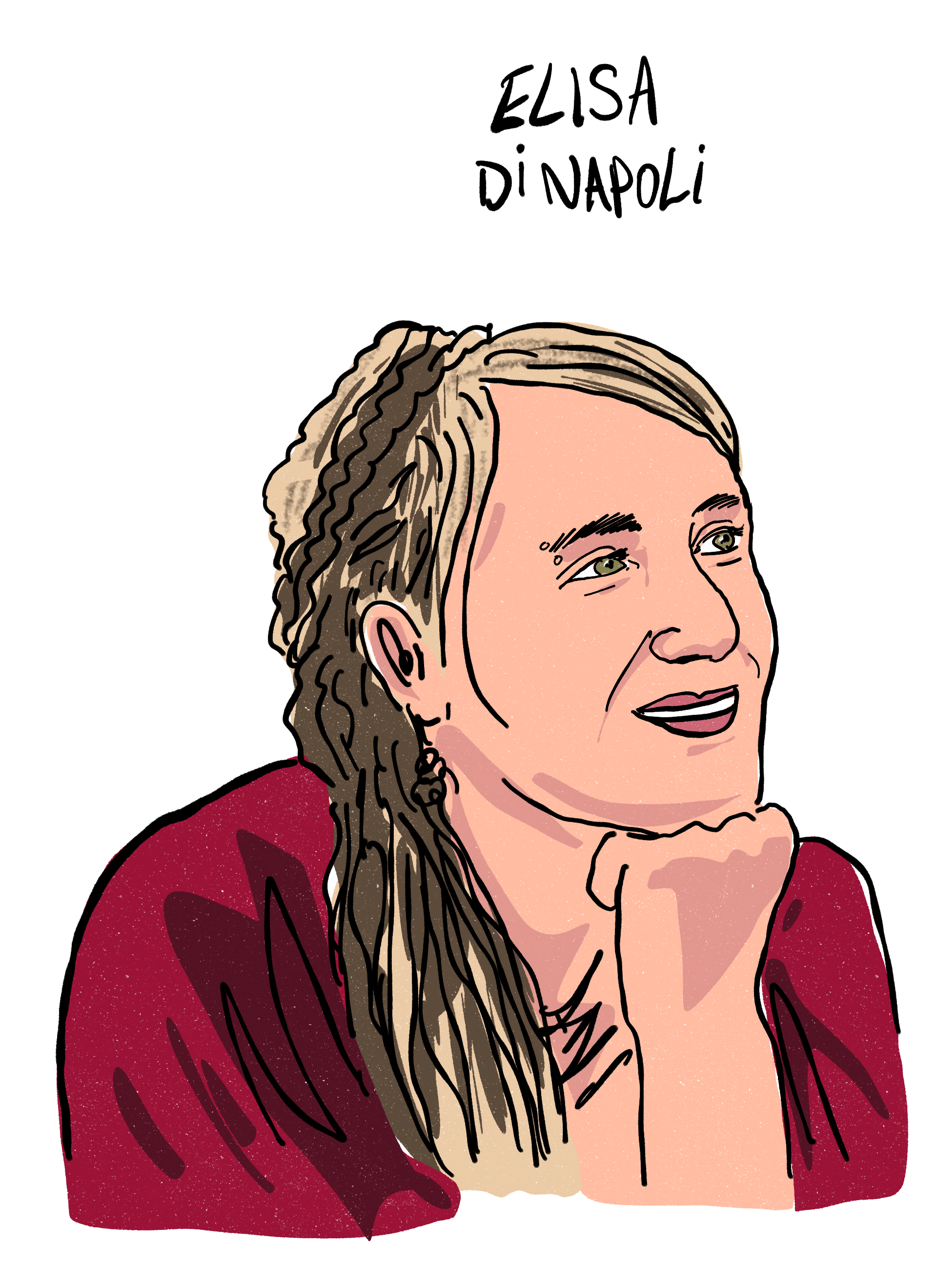
Imagine that. Here we are, caught up in the frenzy of life, waiting for that blessed two-hour block to magically materialize so we can finally indulge our creative whims. Enter Elisa Di Napoli, the sage who flips this notion on its head. She champions the power of daily creative habits and the idea that small, consistent moments of creativity are the unsung heroes of artistic growth. “The daily grind is where the magic happens,” says Elisa. Waiting for perfect conditions? Well, you might as well wait for a unicorn to show up. Grab those tiny pockets of time—they’re gold!
Action Step: Start by sketching, writing, or noodling for just 5 minutes a day. Commit to this bite-sized ritual and watch how it removes the barrier of "I don't have enough time."
Building Your Creative Muscles
Ever wonder how professional athletes don’t just collapse into a heap after a triathlon? They build their muscles bit by bit. Elisa argues that creativity works the same way. Daily practice isn’t just a motivational poster quote—it’s essential training for your creative muscles. Skip the gym of your craft, and those muscles will go flabby real quick.
And hey, this isn't a sprint. Think of your daily creative sessions as regular dates with your muse. You’d be surprised how quickly these quickies add up, making you stronger, more imaginative, and yes, more resilient to creative blocks.
Action Step: Dedicate a specific time each day for your creative practice. The same way you wouldn't skip brushing your teeth, don't skip this. Stick to it religiously, and just like that, you've got a new habit.
Feedback: Your Best Frenemy
If feedback were a cocktail, it would be a double-edged sword with a twist of lemon. Elisa's recipe? Seek feedback sparingly and only from those you trust. She emphasizes that feedback is a tool, not a verdict. Rule number one is this: feedback should lift you, not toss you into a pit of despair. Rule number two? When in doubt, trust your gut.
But here’s the kicker—constructive feedback is your friend. It’s one thing for someone to say, “I don’t like it,” and another for them to say, “Here’s where I think it could be stronger.”
Action Step: Identify a few trusted individuals from whom you can seek feedback. Be specific about what kind of feedback you need—whether it's technical, emotional, or conceptual. And remember, not all feedback deserves a place in your brain.
Stage Fright and Performance Anxiety: Taming the Beast
Elisa openly discusses her battles with performance anxiety and stage fright, likening them to unruly house guests that just won't leave. The answer? Frequent exposure and some nifty tools like hypnotherapy. According to her, there’s a fine line between "good nerves" that energize you and "bad nerves" that paralyze you. Frequent performances and regular exposure to your feared situation can turn that scary monster into just another house mouse.
Action Step: Perform regularly in low-stakes situations. Record yourself, perform in front of friends or join a virtual open mic. The more you do it, the more normal it becomes.
Unlocking Flow: The Creative Nirvana
Ah, the elusive state of flow. It's like falling in love—hard to explain, but you know it when you feel it. Elisa emphasizes curiosity as the gateway to this mystical zone. Drop the judgment and just play. Being overly critical is a surefire way to slam the door on creativity.
Action Step: Engage in an activity that excites you and do it with a playful mindset. Drop any expectations and just dive into the joy of creating.
Intentional Spaces: Drawing the Line Between Work and Creation
Navigating between 'work mode' and 'creative mode' isn’t just a mental shift; it's a full-blown spatial transition. Elisa swears by distinct physical spaces and intentional rituals to make these transitions seamless. Different lighting, separate rooms, even specific music playlists can solidify the boundary between mundane work tasks and inspired artistic endeavors.
Action Step: Designate specific areas in your home for working and creating. Even a small change like different lighting or a particular scent can make a big difference.
The Hard Truth About Self-Worth and Creation
One of the most powerful takeaways from talking with Elisa is this: your creative output does not determine your self-worth. Putting too much self-value into a single piece can make every criticism feel like a personal attack. Create because you love it, not because you need validation from the world.
Action Step: Remind yourself regularly that your worth is not tied to your outputs. Engage in self-affirmation exercises and focus on the joy of the process, rather than the outcome.
Elisa Di Napoli’s insights serve as a treasure trove for anyone navigating the rocky terrains of creativity. So, the next time you’re waiting for that perfect two-hour block, maybe spend five minutes creating something instead. After all, in the world of creativity, consistency trumps perfection every single time.
Listen to Creative Chats episode 238 with Elisa Di Napoli.

Creative Leadership: Lessons from Experience Design Visionary Geoff Thatcher
How Bold Ideas and Creative Leadership Change the Game
Ever sat in a creative meeting and thought, “Boy, I have the next big thing”? Only to have it shot down faster than a poorly written rom-com? Well, folks, buckle up because Geoff Thatcher, founder and CEO of Creative Principals, has a few pearls of wisdom to share about the roller coaster ride that is creative ideation and execution.
From Amusement Parks to World-Class Experiences
Geoff’s love affair with experiences and design blossomed when he worked at an old-time amusement park. Picture a young Geoff, wide-eyed with a grin that said, "This could be bigger." After earning a degree in journalism, he migrated to a firm specializing in those same experiences—theme parks, museums, corporate brand showcases—you name it. Fast forward to 2017, Thatcher's very own empire, Creative Principles, was born, focusing on ideation and partnering with production houses for the nitty-gritty.
Collaboration: Not Just a Buzzword
One thing Thatcher swears by is collaboration. Not the kind where the loudest voice wins, but genuine, roll-up-your-sleeves stuff where he encourages clients to include diverse input. This, friends, is where the magic happens. But keep your expectations in check; there will be pushbacks, naysayers, and the occasional “What the heck were we thinking?” monologues.
Managing Expectations: Courage Required
Speaking of managing expectations, one riveting story from Geoff involved clients sticking by their risky ideas. It's like watching a high-wire act—nerve-wracking but thrilling. Geoff’s advice? Have the nerve to back groundbreaking concepts. He references Harrison Buzz Price—Walt Disney’s go-to guy for feasibility—who faced immense skepticism over Disneyland but proved his critics wrong. Kevin Costner's "If you build it, they will come" line? It’s more real than you think.
Groundbreaking Ideas Aren’t “Precious”
Marty Sklar, a luminary in imaginative spaces, wisely stated there are no "precious ideas." It’s like saying, “Your baby isn’t ugly, but let’s be open to some makeover tips.” The real courage comes in iteration—allowing an idea to evolve with multiple inputs until it’s razor-sharp.
Taking Risks and Embracing Change
Innovative work doesn’t come from playing it safe, my friends. Mike Brennan agrees—finding people willing to take risks is half the battle. Geoff often starts from scratch, blending powerful stories into the designs of experiences. If you want to stand out, you need to shift from the mundane to the extraordinary. Or, as I like to say, if you're not sweating bullets at some point, you're doing it wrong.
Emotion and Experience
Geoff draws inspiration from being emotionally moved. Disney World trips, especially—he’s practically a walking Disney encyclopedia. His disappointment at not seeing Chewbacca in the park echoes his underlying belief: emotional connection is everything. On a brighter note, he adored the “Rise of the Resistance” ride, showcasing the crescendo of storytelling in experience design.
Dealing with Disney’s Lack of Spontaneity
Both Geoff and I share mutual frustrations with Disney—specifically, the need to plan everything. For the love of Mickey, can’t we inject a little spontaneity? This brings us to a crucial point in creativity: balancing meticulous planning with the freedom to improvise. After all, true creativity flourishes in the gray areas.
Creativity and Leadership: The Dynamic Duo
One can’t exist without the other, according to Thatcher. His five principles for great creative leaders deserve an altar:
1. Share the Vision
2. Challenge the Process
3. Enable Others to Act
4. Encourage the Heart
5. Let Creatives Experience Their Work
Like a fine cocktail, a good creative leader must mix all these ingredients for a successful outcome.
Value Your Work and Set Boundaries
No one likes to feel undervalued, least of all creative professionals. Geoff’s mantra? Don’t work for free. Ever. Doing so devalues your craft and leads to frustration quicker than you can say "unpaid intern." Draw a line in the sand—let clients have some "skin in the game," so they understand your worth.
Getting Noticed and Staying Relevant
Geoff's got his fingers in many pies—his book "The CEO’s Time Machine," creativeprincipals.com, LinkedIn, Substack, and a YouTube show called Park Pals. Hustle and diversification, people. Don’t put all your eggs in one basket.
Final Thoughts
Through our chat, it’s clear that Geoff Thatcher combines creativity with leadership like few others. From stubbornly standing by bold ideas to ensuring no one works for free, Geoff’s insights are both groundbreaking and practical.
So, what’s the big takeaway? Keep pushing boundaries, value your craft, and embrace the wild, chaotic ride that is creative work. Now, go on—get out there and change the game.
What’s your next bold move? Don’t just think it. Create it.
Listen to episode 242 of Creative Chats with guest Geoff Tatcher.
Future-proof Creativity: What Creatives Must Do to Stay Ahead (And Alive)

Feeling the heat of the AI takeover? Wondering if the robots are coming for your creative job? (You’re not alone). The future might look unpredictable, but hey, don't fret. Spoiler alert: Your creativity is still irreplaceable. Let's dive into surviving and thriving in this new era, one effort at a time.
Show Up for the Fight
Let's get real. You're here, probably feeling like crap from all the creative battles you've fought. Maybe you've failed, maybe you've been wrestling with self-doubt. But guess what? You're still here. Session guest-of-the-day typified resilience, urging all of us to "show up for the fight." Keep coming back, even when you're broken, because that grit is worth its weight in gold.
Embrace the Change
AI is here, and it's not going anywhere (other than becoming even more a part of everyday life). The creative industry is undergoing seismic shifts. But instead of hiding our heads in the sand, how can we start embracing some of it? And speaking of embracing, don’t miss Tom May’s brilliant write-up on creativeboom.com – “Where the Creative Industry is Heading and How to Survive the Next 15 Years.”
Actionable Step: Visit creativeboom.com and read that article. It’s not just clickbait, it's your survival manual.
Develop Human-Centric Skills
Spoiler alert: Empathy, storytelling, and critical thinking are your new best friends. These are human-centric skills that no amount of AI can replicate—at least not yet. Our guest shared their adventures of how empathy and cultural awareness have shaped their projects. These skills are the heartbeat that will keep your work relevant and impactful.
Actionable Step: Pick up a book on empathy or storytelling. Heck, even binge-watch some movies and observe the storytelling techniques.
Continuous Learning is Non-Negotiable
Think you've mastered your craft? Think again. Stagnation is your enemy. As our guest reiterated, continuous learning is the holy grail. New tools, webinars, workshops—throw yourself into them. Staying informed about industry trends will keep you a step ahead.
Actionable Step: Register for that online course or attend the next industry conference. The learning never stops.
Find Your Voice Amid the Noise
In a world swarming with AI-generated content, what's one thing that stands out? Your unique voice. Our guest waxed poetic about the necessity of personal style. Make sure your work screams “you” and no one else.
Actionable Step: Start a personal project that reflects your unique vision. Document the process, mistakes, and all.
Don't Just Stay in Your Lane—Expand It
Being a one-trick pony won’t cut it anymore. I can’t help but emphasize the importance of diversifying skills: designers learning basic coding, writers dabbling in graphic design, illustrators venturing into animation. A multi-skill set is your armor in this rapidly evolving battlefield.
Actionable Step: Try out a new skill. Don’t aim for mastery yet—just get familiar. Take a basic coding class or play around with animation software.
Ethics: The Forgotten Hero
Don't ignore ethics in your creative journey. Throw light on ethical design, accessibility, and sustainability as core principles. It's not just about being a good person—it's about creating work that stands the test of time.
Actionable Step: Audit your current projects for accessibility and sustainability. Small tweaks can make a big difference.
Build Strong Networks
Yes, being an artist can be lonely, but hey, it doesn’t have to be. I have to underscored the power of strong networks, suggesting everything from online creative communities to industry conferences. Networking isn't just schmoozing—it’s collaborating, learning, growing.
Actionable Step: Join an online creative community today. Take part in discussions, share your work, get feedback.
Micro Collaboration and Risk-Taking
You don’t need a massive budget or endless time to collaborate. I’m an advocated for micro collaborations—those small but impactful joint ventures. Podcast swaps, social media shout-outs, even brief mentoring—these are golden opportunities.
Actionable Step: Reach out to a fellow creative for a micro collaboration. It could be as simple as reviewing each other's work.
Create, Share, Reflect, Repeat
Finally, create something. Create anything. Even if it’s absolute garbage, it moves you forward. Our guest wrapped up with this mantra: Just start. Share your work, gather feedback, and keep iterating.
Actionable Step: Create and post something today. Yes, today. Then, take a moment to reflect and see how you can improve.
The road ahead may seem rocky, but armed with creativity, resilience, and a willingness to evolve, you’ll do more than just survive—you’ll thrive.
Fostering Fun: Duke Harten's Playbook
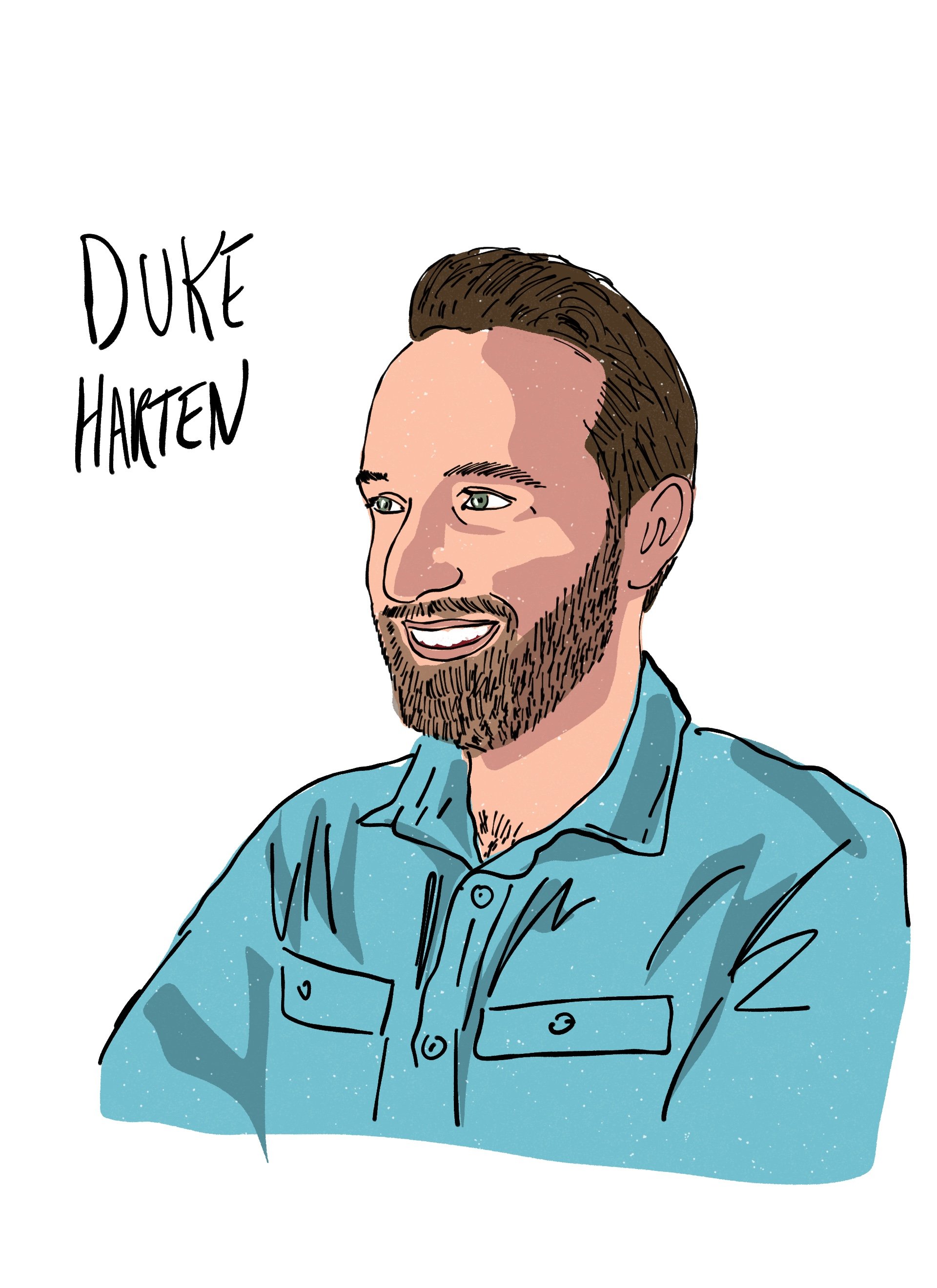
I want to share a story about Duke Harten, a dynamo in shaking up workplace culture and organic videos , making it a bit more fun, and maybe even a touch ridiculous—in the best way possible.
Office Shenanigans and March Madness
So, you know the usual office humdrum, right? The constant drone of keyboards, the endless cycle of coffee-making? Duke Harten found a way to flip that script at his company, Shinesty. Picture this: Duke once flirted with the idea of impersonating his CEO to resolve an MLB uniform snafu with the Colorado Rockies. Crazy, right? Though he didn’t go through with it, it gives you a taste of his boldness (or let's call it unparalleled cheekiness).
Now, if you really want to grasp Duke's flair for the dramatic, let's talk about his "office March Madness competition." Not just your run-of-the-mill office pool—this turned into a national sensation! A simple idea grew legs (and maybe wings) because Duke curated it meticulously, then gave it the freedom to go viral. Moral of the story? Sometimes the most casual idea can make the biggest splash if you organize it thoughtfully and let creativity take over.
Action Point: Got an idea? Don’t dismiss it! Organize a small, fun competition. It might just resonate with your team and have unforeseen impacts.
Introducing "Music League" and the Power of Fun
Having conquered March Madness, Duke didn't stop there. He introduced "Music League" via Slack—a communal activity where employees submit songs based on a theme, creating a playlist that everyone votes on. This wasn’t just a fleeting gimmick; it brought staff together, igniting interaction and camaraderie. You might think your team won't engage in such quirky activities. Duke's advice? Start small. Even the tiniest, goofiest activities can make a big difference.
Action Point: Start a Music League in your office. Use Slack, Teams, or even good old-fashioned email. Theme the playlists—'Songs that make you feel invincible' or 'Guilty pleasures only'—and watch your team vibe and bond over melodies.
Invest in What Works: Platform Adversity & Adaptation
Fun fact: Duke manages the social media for Shinesty and focuses on the organic reach on TikTok and Instagram. He's a living testament to the philosophy, “entertain first, sell second.” He noticed TikTok's content shifting away from viral dances toward more personalized, creator-focused content. What did Duke do? He adapted.
When asked about his strategy for navigating the ever-changing social media landscape, Duke underlined the importance of sticking to what works for your brand and not spreading yourself like thin butter across too many platforms. If TikTok were to disappear tomorrow, he'd pivot. Flexibility is key, folks!
Action Point: Assess your current social media strategy. Are you diluting your efforts by trying to be everywhere? Focus on one or two platforms that work best for you and your audience.
Creative Content & Wholesome Engagement
Duke's approach? If it’s not wholesome and positive, it’s not happening. Take his series where he texted the CEO daily until he got blocked. Witty much? A sure-fire engagement magnet! The takeaway here: Identify what your audience responds to and hone in on it.
He emphasizes: Keep your content concise, make it tell a story in under two minutes. And when all else fails, combine humor with acts of thoughtfulness. One time, Duke made a custom card for a colleague, a small gesture that blended humor with genuine intent. It’s this marriage of fun and sincerity that makes his strategy stand out.
Action Point: Challenge yourself to tell a compelling story in under two minutes. A product, a service, a persona. Brainstorm transactional and engaging content to balance the scales.
The Game Show Dream & Beyond Office Walls
Imagine an office-based British Taskmaster; this is exactly the kind of energy Duke brings to Shinesty. He always looks for positives in interactions, making everyone feel included and celebrated. His future dream? Hosting a game show—one that’s inclusive, fun, and dripping in camaraderie.
Action Point: Consider organizing your own mini-office game show. You don’t need high production values—just a bit of creativity and a lot of heart.
Conclusion: Create Joy, One Silly Challenge at a Time
Duke has mastered creating joy in unexpected places. From turning mundane office spaces into a hive of humor to innovating marketing strategies, he demonstrates that finding joy at work isn't about grand gestures or huge budgets. It’s about small, consistent efforts to make people smile and feel connected. So go ahead, channel your inner Duke Harten. Introduce a goofy activity. Dream big. Keep it fun, keep it real, and watch the magic unfold.
Ready to take your workspace from “meh” to marvelous? One silly challenge at a time. Trust me; it’s worth it.
Listen to Episode 240 of Creative Chats podcast with guest Duke Harten.

Embracing Your Creative Journey: Lessons from Chelsie Tamms
Finding Purpose through Passion Projects and Lettering
Now, if you've ever found yourself wondering, “How do I translate my love for art into something meaningful?” you’re not alone. Today's chatter with the incredible Chelsie Tamms was like unlocking the treasure chest we've all been searching for. This powerhouse of creativity didn't just show up with her stellar lettering and brand design chops — she’s taken the scenic route around life’s blockades, and came bearing the map.
But enough of the tease; let’s unwrap the gift.
Why Documenting Success is Key
We’re diving headfirst into what Chelsie likes to call “documenting successes.” Yeah, sounds simple, right? But think about it: How often do you actually jot down your little victories? Not those grandiose wins worthy of a champagne toast, but the tiny ones, like nailing that tricky brushstroke or getting a compliment on your project. Sure, they might not seem like much, but collectively? They’re your secret weapon.
Step 1: Grab Chelsie's Freebie.
Head over to letteringworks.com and snag her free journaling tool. Trust me, it’s like a GPS for your creative journey. Use it to reflect daily, weekly, and monthly. Figure out what fuels your fire and what you need to douse. We’re all walking bomb cyclones of potential — you’ve just got to track the weather patterns.
Step 2: Document, Rinse, Repeat.
It’s not enough to just jot things down. Reflect on them. Weave them into your bigger narrative. Yep, turn those small wins into a mosaic of your indomitable spirit. You’ll soon realize you’re not stumbling around aimlessly; you’re paving a golden path.
Embracing Intentionality in Creativity
Look, in a world that’s all about the hustle, Chelsie’s ethos on being intentional is a breath of fresh air. She emphasizes that every move you make should be purposeful and aligned with your personal values. I could almost hear the collective sigh of relief from freelancers and creatives around the world: Finally, an excuse to say “no” to the soul-sucking projects.
Step 1: Know Thyself.
Start with a solid brainstorming session: what are your values? Write them down. In bold, if it helps. Align every project and client you take on with these core truths. It’s like Marie Kondo-ing your creative life. If it doesn’t spark joy, it gets the boot.
Step 2: Align Your Work.
Once you’ve got your values listed, it’s time to filter your projects through them. Prioritize those that mesh with your vibe. This is less about being choosy and more about curating your masterpiece of a career. Passion projects are great, but be strategic about them. You’re playing chess, not checkers.
Leveraging Passion Projects for Paid Work
Chelsie’s story is a patchwork quilt of trial-and-error with a sprinkling of strategic outreach. Imagine this: You’ve poured your heart into a passion project, and now you’re eyeing potential clients, trying to make that leap from art-for-fun to art-for-money.
Step 1: Be Smart About Outreach.
Chelsie shared the wisdom of direct outreach over the blind toss of social media posts. It’s like fishing with a rod and reel instead of a net; you may not catch as many, but the ones you do are the ones you want. Identify specific organizations or individuals who would resonate with your work and send a personalized pitch.
Step 2: Show Off Your Portfolio.
When your passion projects are tied to causes that matter to you (like Chelsie’s projects around kidney disease, chronic illness, and mental health), they automatically become more powerful and marketable. Use these projects as cornerstone pieces in your portfolio. They’re not just samples of your work — they’re proof of your commitment, passion, and values.
The Balancing Act: Freelance vs. Small Business
Here's the kicker — balance. Chelsie, the juggle-master, spoke about managing the push and pull of freelance gigs and small business management.
Step 1: Create a System.
It's all about contracts and design reviews, people. Make your professional processes as sleek as your art. Not only does it keep things legit, but it also makes you look like the creative rockstar you are. Clients love a good process, almost as much as they love great art.
Step 2: Be Selective with Opportunities.
You don't have to take on every project that comes your way. Be like Chelsie; reserve your precious energy for those that align with your values and ignite your creative spirit. Prioritize projects that nurture your growth and well-being.
Final Reflections
Chelsie’s journey from passion projects to an impactful career is like a handbook on how to win at life — with a creative flourish, of course. Tune into your own values, document those seemingly insignificant wins, and be strategic about your creative pursuits.
What will your day one look like? There’s no time like now to begin. Go forth, create with intention, and most importantly, keep showing up.
Listen to my Creative Chat with Chelsie Tamms on episode 239.
Pinterest Power: Insights and Strategies with Heather Farris

From Accounting to Pinterest Business Maven
Let's face it: most people don't think “Pinterest” when they picture someone transitioning from accounting to business-building. But, not everyone is Heather Farris. Imagine this: a driven accountant scarfing down a sandwich during her lunch break only to stumble upon the goldmine that is making money through blogging on Pinterest. Six years later, boom! She’s the go-to Pinterest strategist, and we’re lucky to soak up her wisdom.
Timing is Everything: Target Your Pinterest Audience Like a Pro
You might think that good content is good content no matter when you post it. Wrong. Heather says when you post is crucial, especially if you want to capture niche audiences. Say you’re targeting moms in their thirties—Heather’s advice is to think like a mom. When are they scrolling Pinterest? Nap time, evening wind-down, or that tranquil coffee moment in the morning. You want your pins to appear during their moments of peace, not when Junior is painting the dog.
Quality Over Quantity: A Sanity-Saving Strategy
Here’s the kicker: it doesn't matter if you’re churning out pins like there’s no tomorrow if they’re trash. Heather puts it bluntly—focus on quality, not frequency. Optimize your content with strategic keywords in pin titles, descriptions, and more. Optimal pins sprinkle keywords like parmesan on spaghetti—not too little, not too much. Your Pinterest profile should be a delightful, search-friendly feast, not a keyword vomit.
Actionable Tip: Sit down with a nice cup o’ joe, dive into Pinterest’s search bar, and find keywords that resonate. Then, sprinkle them on your pins like a seasoned chef.
Content Organization: Marie Kondo Your Pinterest Boards
Thinking your chaotic Pinterest board is no biggie? Heather would shake her head. Even disorganized accounts have potential. Rather than deleting or moving content willy-nilly, Heather recommends strategic adjustments. Don’t just hide other people’s pins; organize your own content to make it shine. Imagine your Pinterest profile like a pristine, well-stocked library—not just a random pile of books.
Actionable Tip: Review your boards and reorganize them using keywords. Delete dead links but keep valuable redirects intact.
Traffic and Sales: Behold the Power of Pinterest
Pinterest directs heaps of traffic to your primary sites—be it Etsy, Shopify, or the mystical land of Redbubble. Got unique art pieces? Set categories for available and sold-out items. To avoid dead links, Heather advises keeping your online shop tidy and Pinterest-friendly.
Actionable Tip: Create compelling behind-the-scenes videos of your creations. People love the “how” almost as much as the “what.”
Video Content: Short, Sweet, and Search-Friendly
In the battle of content types, video is the undisputed heavyweight. Heather recommends videos between 4 seconds and 4 minutes. Bonus points if you repurpose content from Instagram, just remember to pretty it up for Pinterest’s search engine.
Actionable Tip: Use storytelling in your videos. Whether it’s a tutorial or a behind-the-scenes look, ensure it’s engaging and polished.
Pinning Strategy: Your Anti-Repin Manifesto
Listen up, all ye who think repinning other people’s content is a golden ticket to success—it’s not. Heather stresses that it can distort your account’s stats and diminish your brand's value. Instead, focus on original content and hide or delete others’ content if necessary. This isn’t just social media; this is a strategic battlefield.
Actionable Tip: Audit your Pinterest boards and purge them of non-performing or irrelevant pins. Organize and optimize your shiny new cache of pins.
Optimize and Engage: Beyond the Pin
Heather lays it out straight: Use Instagram for further connections, not Pinterest. She’s all about directing people to her site, heatherfarris.com, especially if they want the full Pinterest experience.
Actionable Tip: Direct your Pinterest traffic to a comprehensive, info-packed website that is a seamless extension of your Pinterest strategies.
Wrapping Up
Heather Farris isn’t just a Pinterest whiz; she’s a beacon of practical wisdom. She’s been through the grind—from accounting cubicles to Pinterest stardom. She’s all about giving back and sharing those practical nuggets that can make your Pinterest efforts worthwhile, like that secret family recipe for digital success. Take some time to learn from her, adjust your strategies, and watch your Pinterest game go from a mild drizzle to a torrential downpour of traffic and sales.
Ready to unleash your Pinterest power? Pin this, organize that, and make Heather proud.
Now, excuse me while I go reorganize my boards with surgical precision.
Listen to my conversation with Heather Farris on Creative Chats podcast episode 246.

Mastering Sales with Heart with Nicole Cramer
How storytelling, personal connections, and knowing your worth can transform your approach to sales and creativity.
The Magic of Personal Stories
Nicole Cramer opens up on Creative Chats podcast about how personal stories have been a driving force in her journey. "Other people's stories are the reason I am where I am," she shares, stressing how life lessons from others have given her hope and a sense of possibility. Personal narratives are powerful — they help us connect on a deeper level and inspire others in ways we might not always see.
From Classroom to the Sales World
Nicole’s path from a high school math teacher to a sales superstar is anything but typical. She was kind of drifting through college until her dad nudged her towards teaching. But even with a secure job as a teacher, Nicole felt something was missing.
She gambled on a career shift into sales, despite having zero experience. What set her apart? Viewing sales as a way to serve others and build connections rather than just hitting sales targets. Her story is a great reminder that sometimes random turns in our career path can lead to big wins.
Building Real Relationships
Nicole says it plainly: it’s all about building relationships and solving problems for people. Even before she became a top salesperson in her company, her motivation boiled down to two things — connecting with people and helping them. It’s a great reminder that success isn't just about numbers. It's about genuinely caring and providing value.
Rethinking Sales: Service First
Forget those pushy, salesy vibes. Nicole’s all about seeing sales as an act of service. She emphasizes detaching from the hard sell and truly focusing on what’s best for the person you’re talking to. When you make it about helping others, sales happen more naturally.
This approach can shift how creatives feel about selling their work. It's not obnoxious or pushy. You're offering something valuable that you've poured your heart into, and that's something to be proud of.
Letting Go of the Starving Artist Mentality
Nicole and I chat about an all-too-common issue among creatives — undervaluing their work. The “starving artist” mindset can make creators hesitant to charge what they're worth, feeding a cycle of unrealistic market expectations.
Nicole shares stories from her own experience where pricing shifts led to greater demand and perceived value. It turns out, when you recognize the true worth of your work, others will too.
Balancing Education and Entertainment
Nicole's background in acting and teaching uniquely shapes her approach to sales and public speaking. She believes the best presentations are a mix of education and entertainment. This blend keeps the audience engaged while delivering essential insights.
Her philosophy shows how versatile and interconnected creative skills can be. Who knew your drama classes, teaching gigs, or even hobbies could help you on the sales floor?
Following Your Passion and the Universe’s Nudge
Nicole’s story is also about following what lights her up inside. She talks about surrendering to the universe and riding the waves of what brings her joy and fulfillment. This attitude has guided her through various career flips and led her to find her passion for coaching and helping others.
She invites you to connect with her for deeper dives into sales strategies — underscoring the importance of community and shared growth.
---
Nicole Cramer's insights remind us that it’s all about connecting with people, seeing sales as a service, and knowing your worth. Her journey, from teacher to top salesperson and coach, shows us the power of resilience, authenticity, and heartfelt connections. So, go ahead and let your creativity and stories shine — they just might be your ticket to success.
Listen to episode 252 of Creative Chats with guest Nicole Cramer.

Bridging Tech and Creativity: Gali Erez on Innovation and Design at Wix Studio
I sat down with Gali Erez, the head of Wix Studio, for an engaging discussion for Creative Chats podcast (episode 251) about finding inspiration across different industries and the crucial role of self-awareness in fueling creativity and motivation.
We dove into the unique features of Wix Studio, focusing on its freeform design approach and ease-of-use thanks to its drag-and-drop functionality and no-code capabilities. I shared my frustration with web design often feeling more like science than art, which can lead to burnout. Gali reassured me by highlighting Wix Studio's focus on maintaining a creative and holistic approach to agency processes.
The conversation touched upon standout features that have people buzzing, beyond the ones Gali initially mentioned. She emphasized the importance of imagination, creativity, and human connection in agency work, and the complex yet rewarding process of nailing a project brief. Gali also discussed how Wix Studio makes tedious tasks easier for agencies, which in turn boosts their passion for the platform.
Inspiration was a recurring theme as Gali talked about various sources that feed her creativity—from "The Moth" podcast to fashion week, and even historical books. She stressed the significance of drawing inspiration from outside her industry to broaden her creative horizons.
Wix Studio boasts game-changing features like proportional scaling for dropped elements, an AI solution called AI Responsive that handles automatic resizing for different screens, and a Figma plugin that streamlines the design-to-website workflow. These innovations make Wix Studio not just accessible but incredibly powerful and user-friendly.
Throughout our discussion, Gali recounted her journey from interning at Wix to leading Wix Studio, highlighting her pivots from UX to marketing, strategy, and management. These transitions, despite moments of uncertainty, opened up new opportunities for growth and learning. She also discussed the rapid advancements in technology, particularly AI, and the challenges they pose in terms of investing time and resources wisely while maintaining a human touch.
This conversation brought valuable insights into not just the functionality of an innovative platform like Wix Studio, but also the importance of adaptability and human connection in the face of technological evolution.
For those eager to know more or to dive into Wix Studio themselves, Gali encourages reaching out to her on LinkedIn or Twitter and exploring Wix Studio through their website.

Mastering the Art of Creative Balance: How to Juggle Client Work and Personal Projects
Tips and tricks to juggle client work and personal projects like a pro
Today, we’re diving into the fine art of balancing client work with personal creative projects. Imagine trying to keep a bunch of spinning plates from crashing to the ground—it’s pretty wild, right? Whether you’re a marketing guru by day and a fantasy writer by night like my freind Haley Walden, or just someone hustling to keep everything afloat without losing it, I've got some down-to-earth advice for you. So, let’s get rolling!
Mastering the Balancing Act
First off, balancing client work and personal creativity can feel like walking a tightrope. Haley once shared that she spent six whole months just proofreading and prepping the first three books of her fantasy series before she even thought about writing again.
Tip #1: Set Some Boundaries, Stat!
You gotta carve out specific times for client work and personal projects. Use a planner, set timers—heck, even put up a Do Not Disturb sign if you have to. Keep those worlds separate!
Building Your Fantasy Worlds
Haley’s fantasy series is jam-packed with romantic fantasy, conspiracy theories, and revisionist history. Her characters are historians inheriting magical memories that flip the script on established history. Pretty cool, huh?
Tip #2: Draw From Real Life
Use your family stories, heritage, or even that weird neighbor who insists they've seen Bigfoot. The world around you is just waiting to be mined for inspiration.
Progress Over Perfection: Your New Mantra
Haley has wrestled the perfection monster more times than she can count. But seriously, "progress over perfection" is the lifesaver we all need. Perfect is the enemy of done, folks.
Tip #3: Set Mini Goals
Instead of aiming to finish a novel in a weekend (yeah, right), go for writing a single chapter. Celebrate those little wins because they keep you motivated and moving forward.
Own Your Weirdness
Haley also talks a lot about embracing your own quirks. She’s learned to deal with shame and how owning her "weird" is actually her superpower.
Tip #4: Be Unapologetically You
The world needs your unique voice. Don’t try to blend in—stand out and let your quirks shine.
The Method Writing Approach
Haley’s a pro at nailing her clients' brand voices. Her “method writing” approach? Deep-diving into all of her clients' content like she's preparing for a starring role.
Tip #5: Get Immersive
Gather all the info you can from your clients. Recorded talks, written content, awkward voice memos—you name it. The more you get into their headspace, the better you can mimic their voice.
The DIY Brand Voice Workbook
Haley’s created this awesome DIY brand voice workbook that’s based on Jungian psychology. It's not just about finding your brand voice—it’s about steering clear of unwanted personas.
Tip #6: Walk in the Client's Shoes
Use guides that help you view the brand from the inside out. Understanding the “Shadow” side can keep you from making missteps.
Keep Reassessing: Stay Fluid
The secret sauce to keeping your creative mojo? Constant reassessment. Creativity isn't rigid, so your process shouldn't be either.
Tip #7: Reflect and Adapt
Regularly take a step back and check in with yourself. Are you happy with your balance? Does your process need some tweaks? Stay flexible and open to change.
Wrapping It All Up
So there you have it, friends—a no-nonsense guide to juggling client work and personal projects without going bonkers. There’s no one-size-fits-all, but these tips should make the chaos a bit more manageable. Now go out there, and keep creating without turning into a stress ball. Keep that creative spirit alive!